


The Essential Link: Gut Health and Your Wellbeing
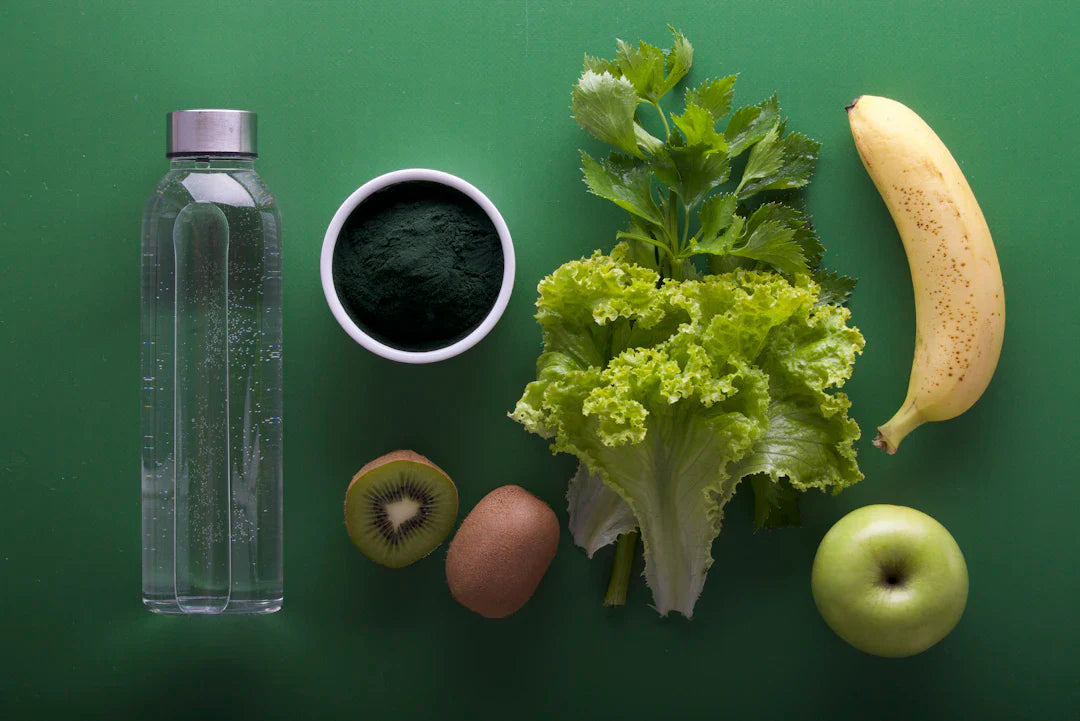
In recent years, the connection between gut health and overall wellbeing has captured the attention of researchers, practitioners, and the general public alike. As we delve into the world of gut health, it becomes clear that this essential component of our physiology plays an instrumental role in our mental, physical, and emotional wellbeing. In this blog post, we will explore the multifaceted impact of gut health, the science behind it, and practical tips to enhance your gut microbial community.
Understanding the Gut Microbiome
At the core of this fascinating relationship lies the gut microbiome. The gut microbiome is a complex community of trillions of microorganisms, including bacteria, viruses, fungi, and other microbes residing in our intestines. These microorganisms not only help digest food but also produce essential vitamins and support our immune system.
The Role of Microorganisms
Research suggests that these microorganisms contribute to various bodily functions, including:
- Digesting and absorbing nutrients
- Regulating metabolism
- Training and modulating the immune response
- Producing vital compounds like short-chain fatty acids
Understanding the vital functions that these tiny organisms perform is the first step in appreciating the importance of maintaining a healthy gut.
Gut Health and Mental Wellbeing
The gut is often referred to as the "second brain," and for good reason. There exists a robust and complex communication network between the gut and the brain, often referred to as the gut-brain axis. This bi-directional communication involves neural, endocrine, and immune pathways, which means that a healthy gut can lead to better mental health outcomes.
Emotions and Gut Health
Studies have shown that altering the gut microbiome can influence mood and cognitive function. Issues such as anxiety, depression, and mood swings have been linked to an imbalance in gut bacteria. Probiotics and dietary changes that support gut health can help improve symptoms associated with these mental health challenges.
The Immune Connection
A significant portion of the immune system is housed in the gut. A well-balanced gut microbiome is crucial for a properly functioning immune response. When the gut is compromised, it can lead to increased inflammation and susceptibility to infections. As such, gut health plays a vital role in our ability to fend off illnesses.
Nutrition and Immunity
Incorporating nutrient-dense foods that nurture gut health can significantly enhance immune function. A diet high in fiber, fruits, and vegetables encourages the growth of beneficial bacteria, while processed foods and high sugars can lead to microbial imbalances.
Gut Health and Digestive Comfort
Maintaining a healthy gut is essential for ensuring efficient digestion. Individuals with poor gut health may experience a range of digestive issues, such as bloating, gas, and constipation. These symptoms can be uncomfortable and lead to distress.
Enhancing Digestion
To improve gut health and alleviate digestive discomfort, consider adopting the following dietary habits:
- Include fermented foods such as yogurt, kefir, and sauerkraut in your diet
- Increase your intake of high-fibre foods like whole grains, legumes, fruits, and vegetables
- Stay hydrated to support overall digestion
- Limit artificial sweeteners and processed foods that can disrupt gut balance
Gut Health and Weight Management
Studies suggest that the composition of gut bacteria can influence weight management. Certain gut bacteria are linked to body weight regulation and fat storage. An imbalance in these bacteria may contribute to obesity or difficulty losing weight.
The Interplay of Metabolism and Gut Health
To maintain a healthy weight, it is essential to focus on dietary choices that support a diverse microbiome. Eating a wide variety of plant-based foods can promote microbial diversity, which is crucial for optimal metabolic function.
Signs of Unhealthy Gut Health
Recognising the signs of an unhealthy gut is the first step towards improvement. Some common indicators include:
- Frequent bloating or gas
- Diarrhoea or constipation
- Food intolerances
- Fatigue or sleep disturbances
- Skin issues like eczema
If you experience any of these symptoms, it may be worthwhile to assess your gut health and consider making positive lifestyle changes.
Practical Tips for Improving Gut Health
Embarking on a journey towards better gut health doesn’t have to be overwhelming. Here are some practical tips to consider:
- Eat a diverse range of foods: This can lead to a more diverse gut microbiome, which is beneficial for health.
- Prioritise whole foods: Processed foods can negatively impact gut health, so stick to whole and unrefined foods whenever possible.
- Time your meals: Intermittent fasting may help to reset gut health and improve microbial balance.
- Stay hydrated: Water is essential for fibre to do its job and helps in the overall digestion process.
Gut Health Myths Debunked
With the buzz surrounding gut health, many myths have also emerged. Let’s clarify some misconceptions:
Myth 1: All bacteria are harmful
Not all bacteria are bad; many are beneficial and necessary for digestion and overall health.
Myth 2: You only need probiotics
While probiotics can help, a balanced diet and lifestyle are equally important to support overall gut health.
Myth 3: All fermented foods are healthy
Some fermented foods can contain added sugars or preservatives that diminish their health benefits.
Unlocking the Power of Prebiotics and Probiotics
Both prebiotics and probiotics play essential roles in maintaining a healthy gut. Prebiotics are types of dietary fibre that feed beneficial bacteria, while probiotics are live beneficial bacteria found in specific foods. Including a combination of prebiotics and probiotics in your diet can be particularly effective in nurturing your gut health.
Foods Rich in Prebiotics
Some common sources of prebiotics include:
- Garlic
- Onions
- Asparagus
- Bananas
- Leeks
Foods Rich in Probiotics
On the other hand, foods that provide probiotics are
- Yogurt
- Kefir
- Sauerkraut
- Kimchi
- Miso
Embracing Lifestyle Changes for a Happier Gut
Beyond diet, there are various lifestyle changes you can make to promote better gut health:
- Maintain a healthy weight: Weight fluctuations can impact gut bacteria, so achieving a balance is vital.
- Exercise regularly: Physical activity can enhance gut health and encourage beneficial bacteria to thrive.
- Manage stress: Stress can harm gut health. Consider mindfulness, yoga, or other relaxing activities.
By incorporating these lifestyle changes alongside dietary improvements, you can support a thriving gut environment and enhance your overall wellbeing.
Your Journey to Wellness Starts Here
The relationship between gut health and overall wellbeing is undeniable; it is becoming increasingly clear that a healthy gut can lead to a more vibrant life. Understanding the significance of gut health, recognising signs of imbalance, and implementing effective strategies to nurture your gut microbiome are crucial steps towards a healthier you.
As you embark on this journey, remember to approach changes with patience and consistency. Prioritising your gut health will, in turn, motivate you to foster other wellness practices in your life. Embrace the journey, and unlock the hidden potential of your gut for a happier, healthier life!